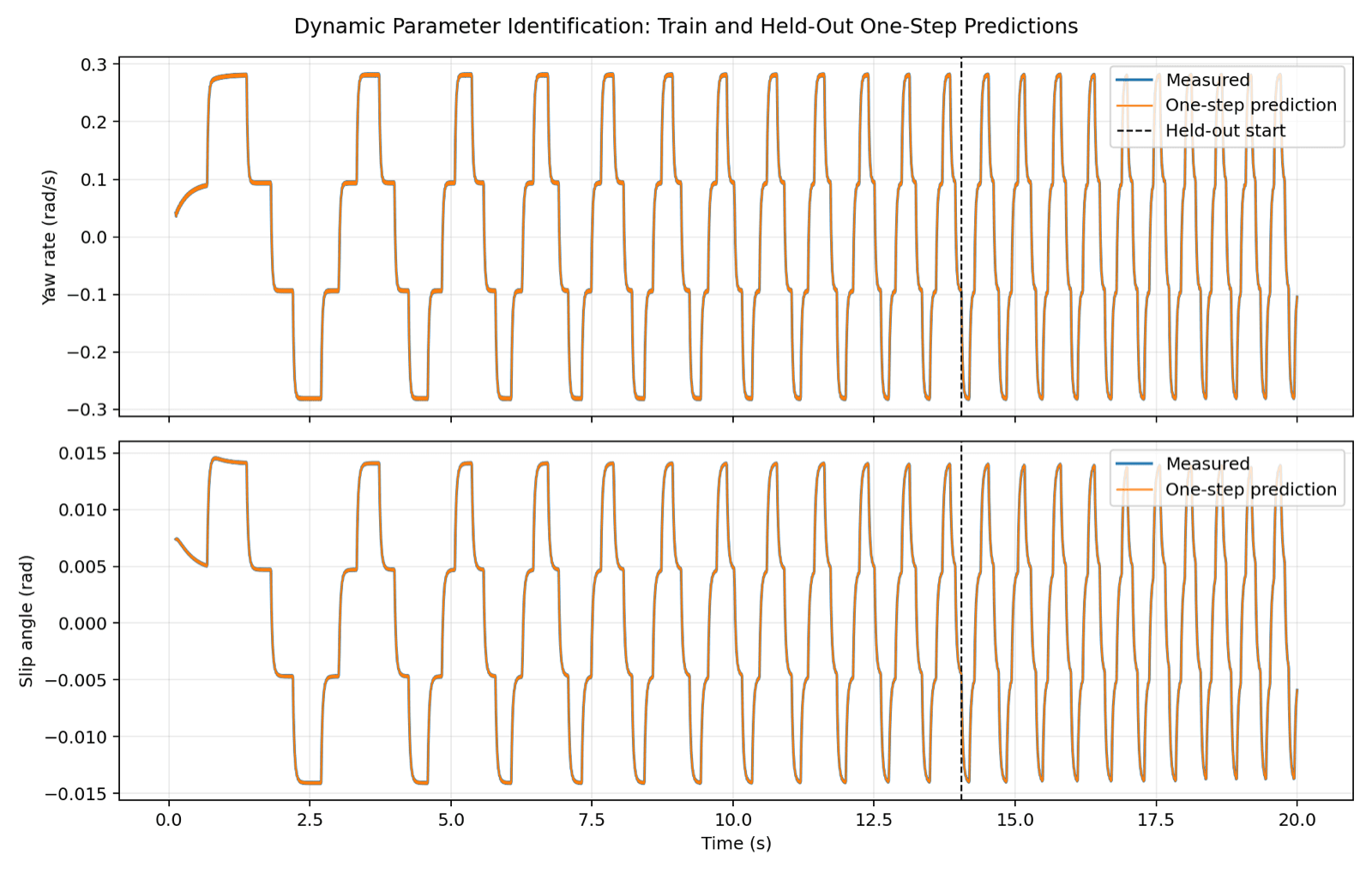
autonomous-racing-systems
A simulation and mechanical-design study that exposed an unsupported mast-frequency requirement during drivetrain review.
Engineering case studies with the evidence level stated up front: field hardware, tested prototype, converged simulation, or software benchmark. Every figure here is output from the project it belongs to.
A simulation and mechanical-design study that exposed an unsupported mast-frequency requirement during drivetrain review.
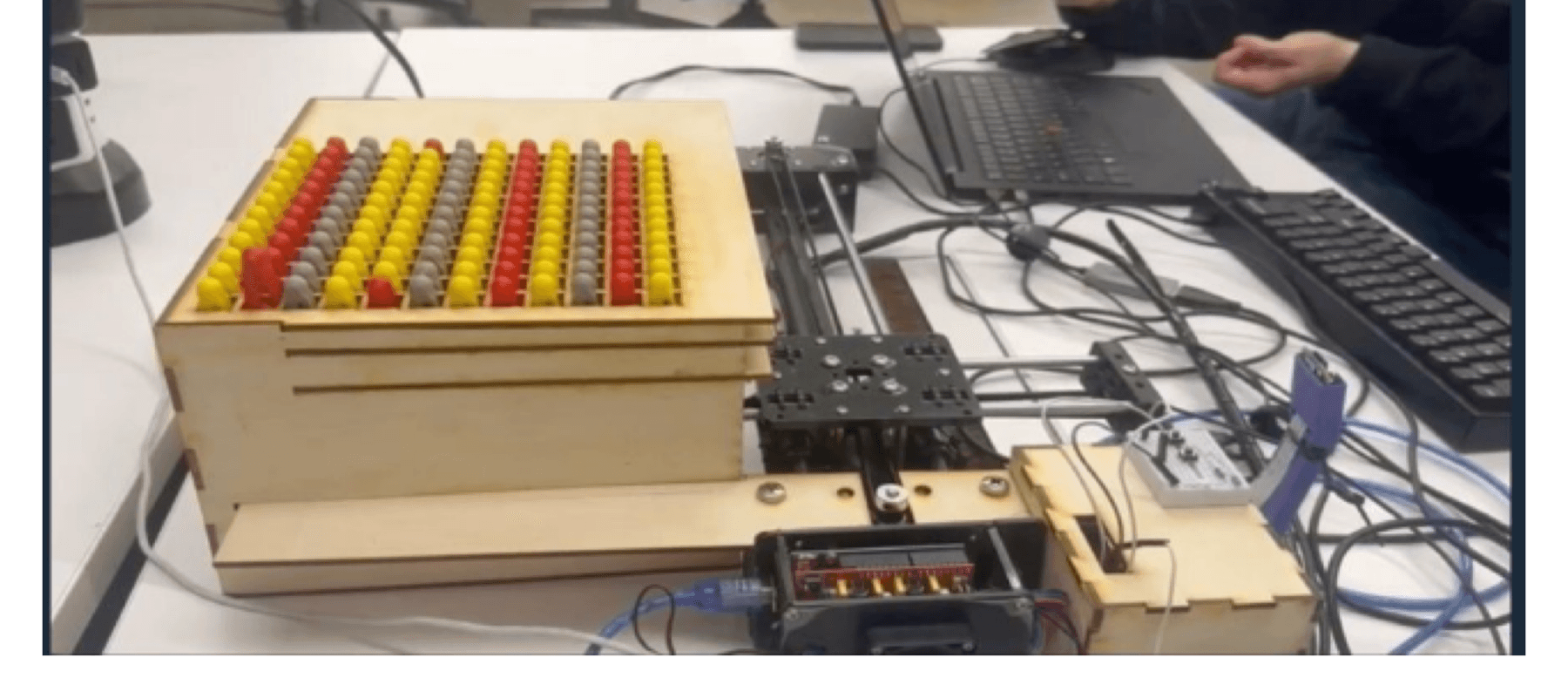
A 12 x 12 tactile pin array that converts a climbing-route image into a raised pattern a blind climber can read by hand.
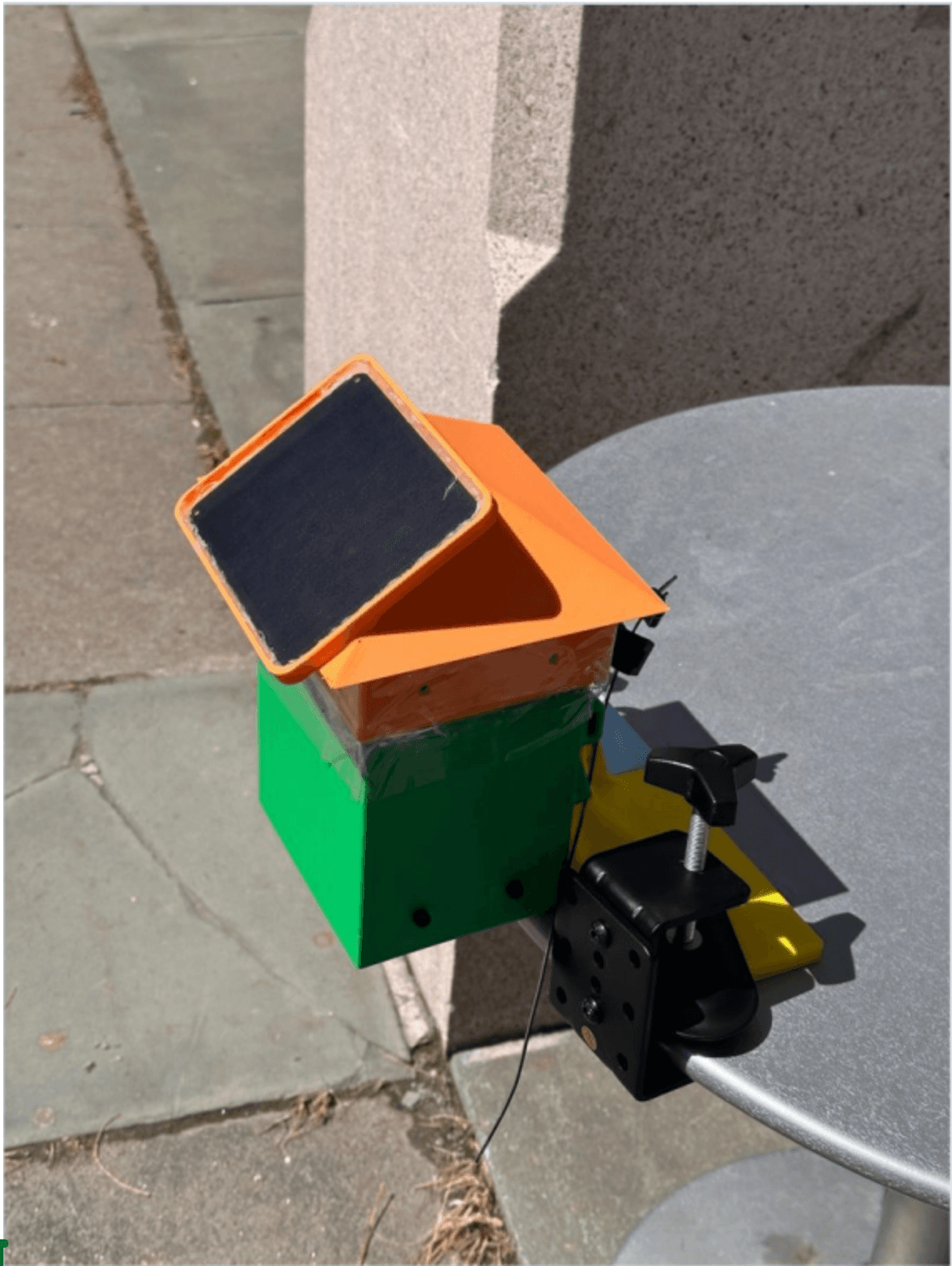
A field-deployed enclosure for an urban air-quality node, iterated through four printed revisions around airflow, rain path, packaging, and power.
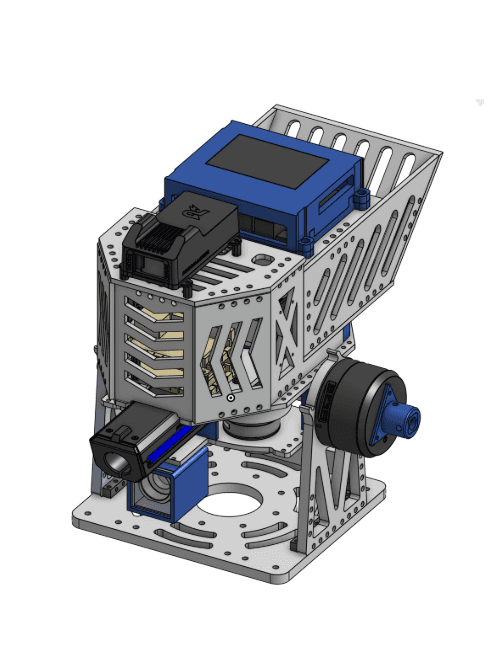
Launcher packaging for a RoboMaster gimbal: a printed flywheel, supercapacitor shell, and armor fitted around a 20.5 mm feed path.
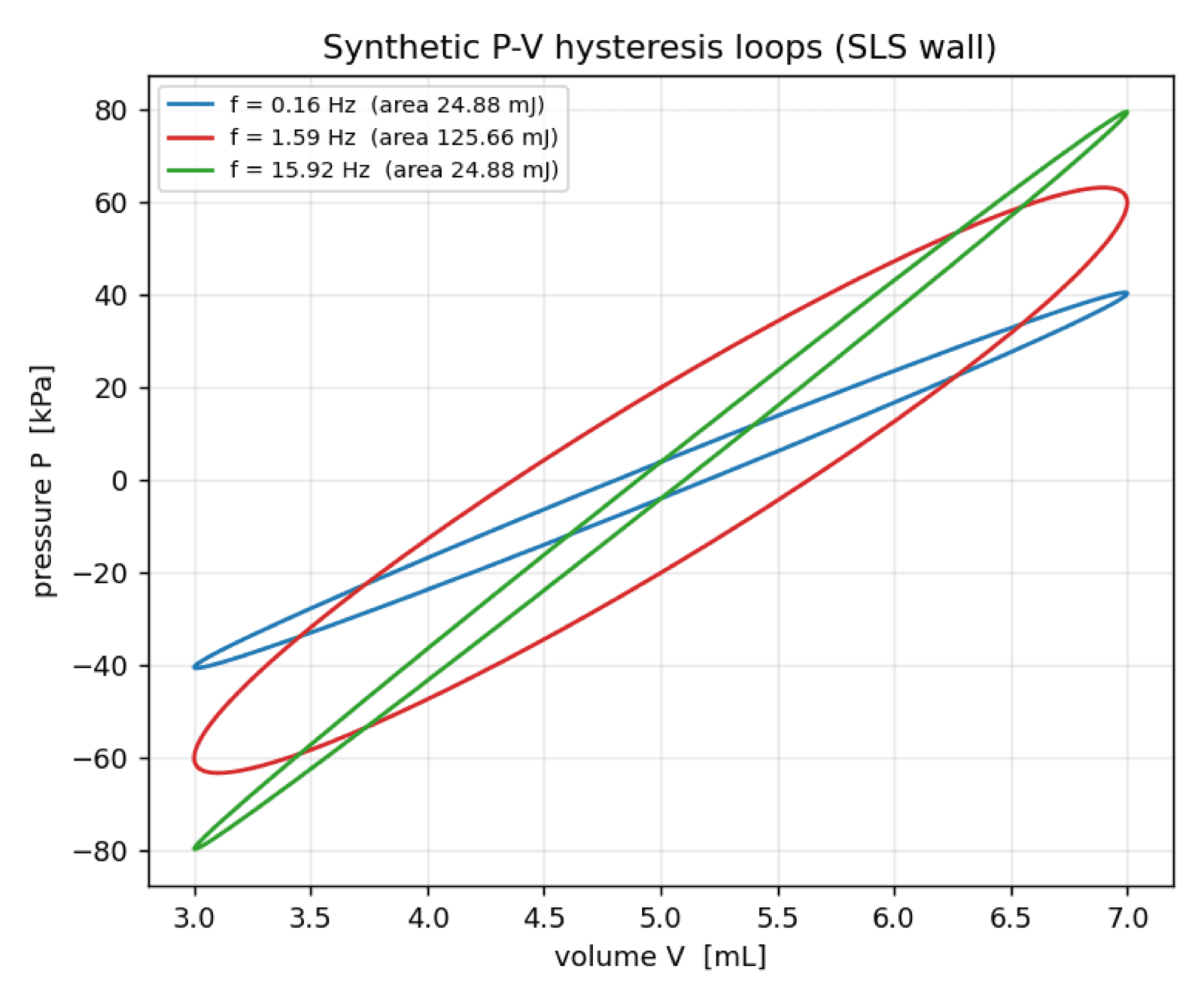
A 2,000-trace, actuator-split simulation study of P-V loop area as a recalibration trigger, and the audit that stopped its paper: at matched cost, a cycle-count clock ties the trigger exactly.
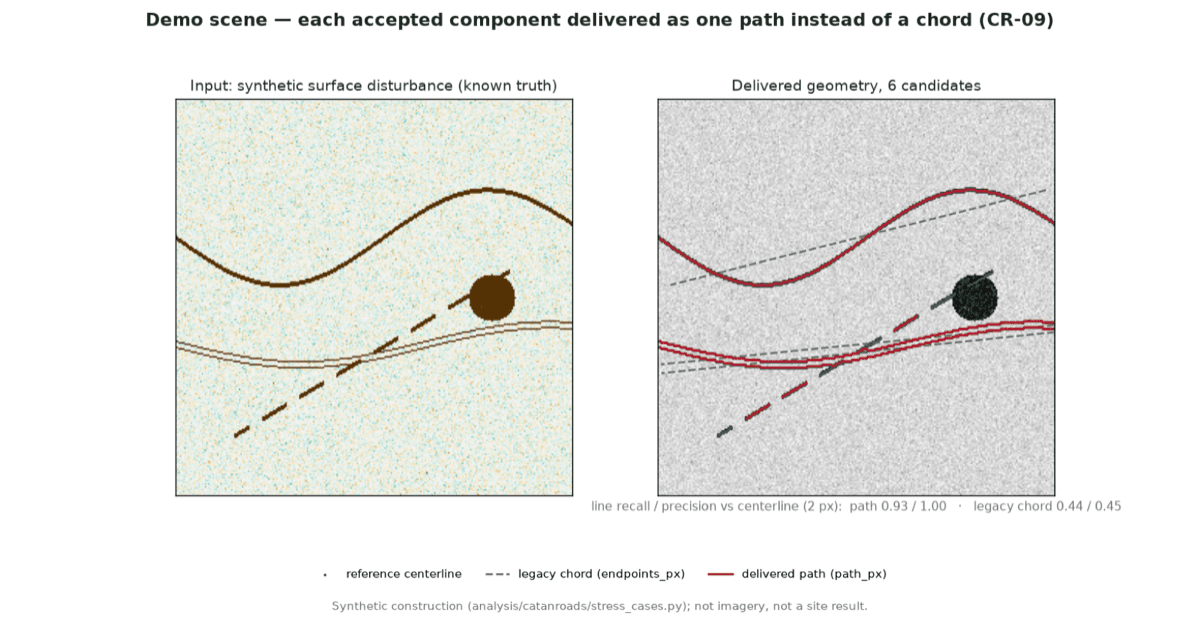
A preregistered remote-sensing method that finds persistent surface-disturbance corridors for high-resolution review rather than claiming to classify sub-pixel roads directly.
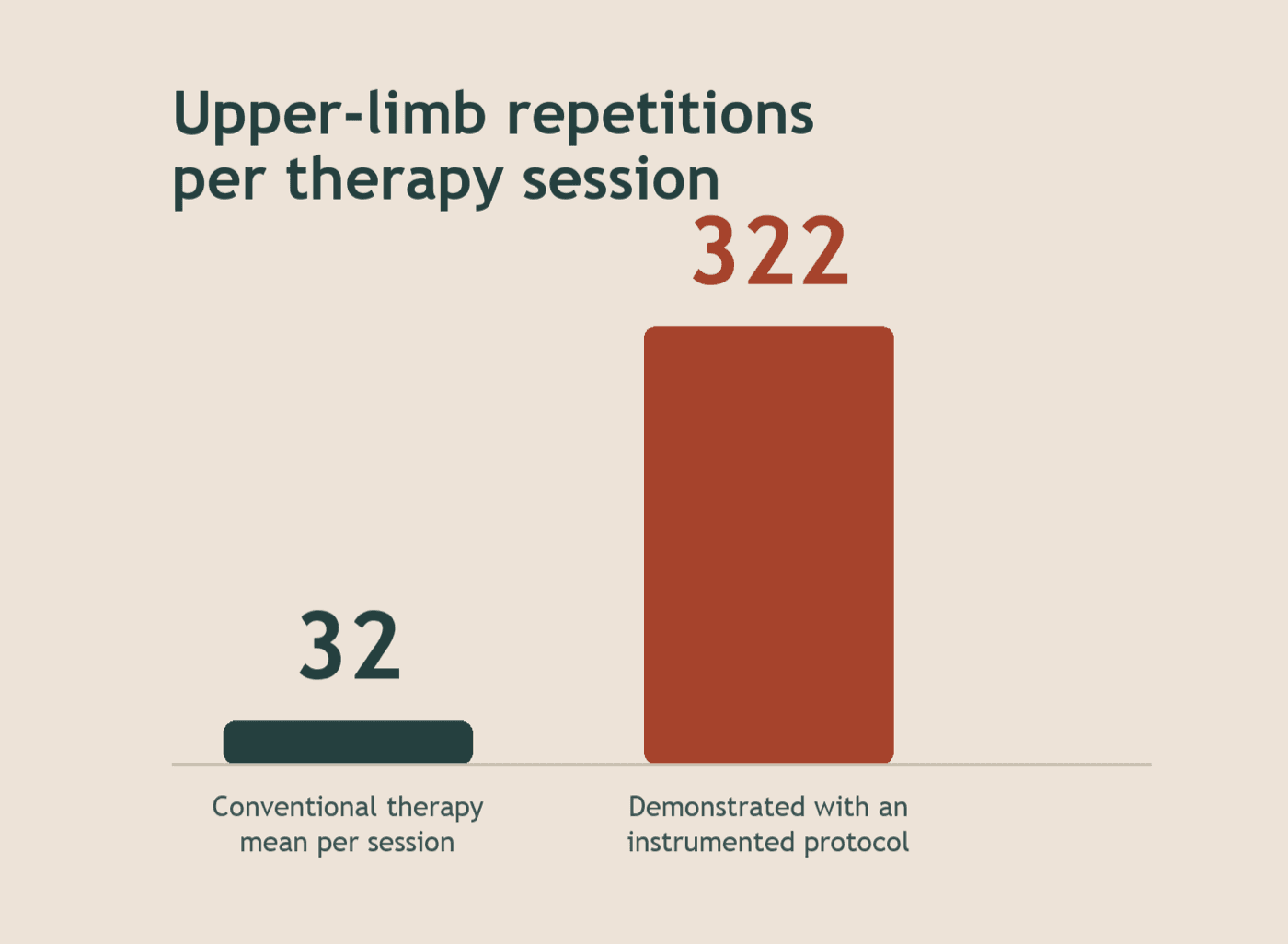
The evidence layer for a senior design project: 205 annotated sources turned into a requirements table where every number is cited or marked inferred.
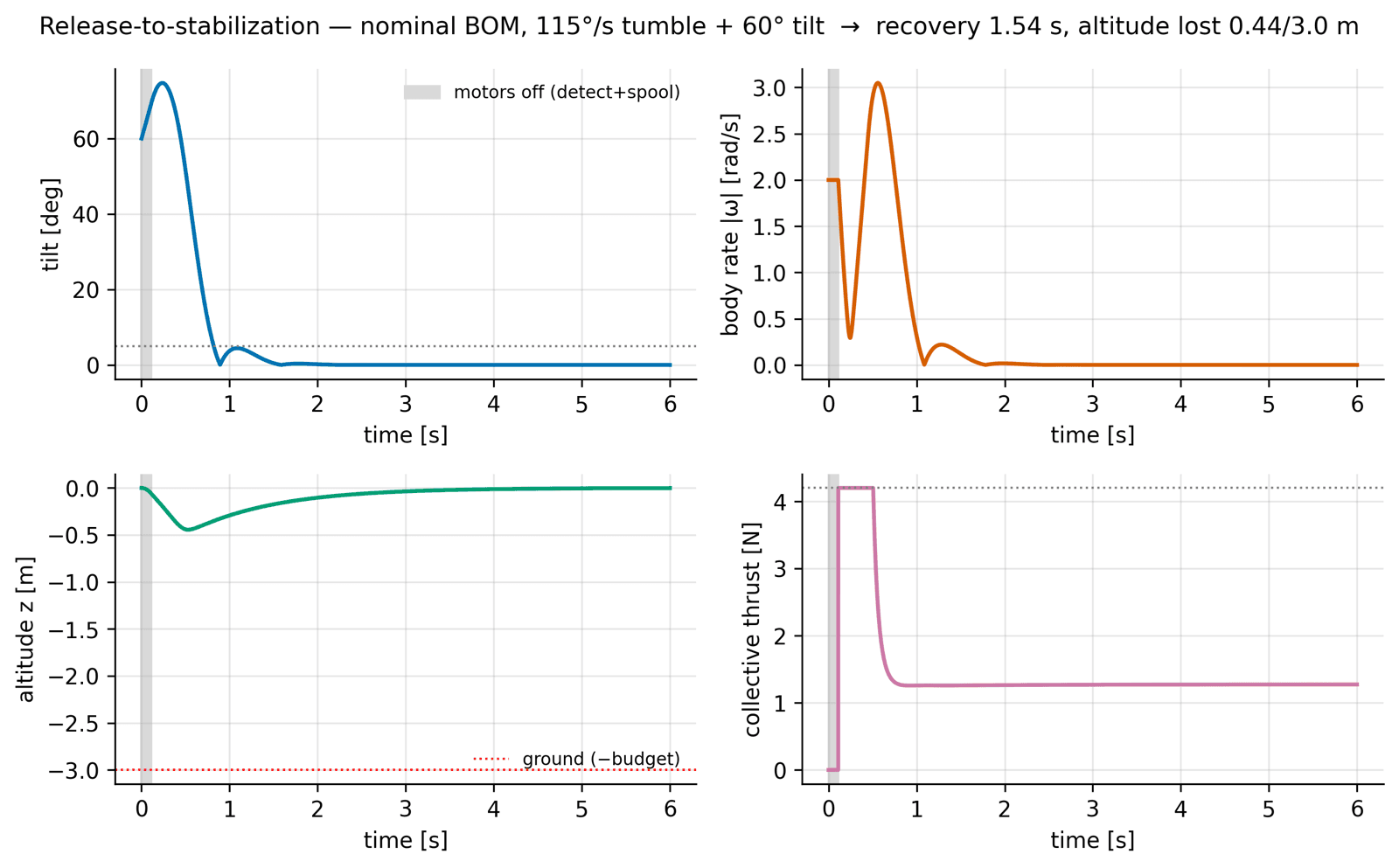
Developed a six-degree-of-freedom recovery simulator and motor mixer. The current study uses Crazyflie source models and NanoBench flight recordings to check dynamics before testing recovery firmware in simulation.
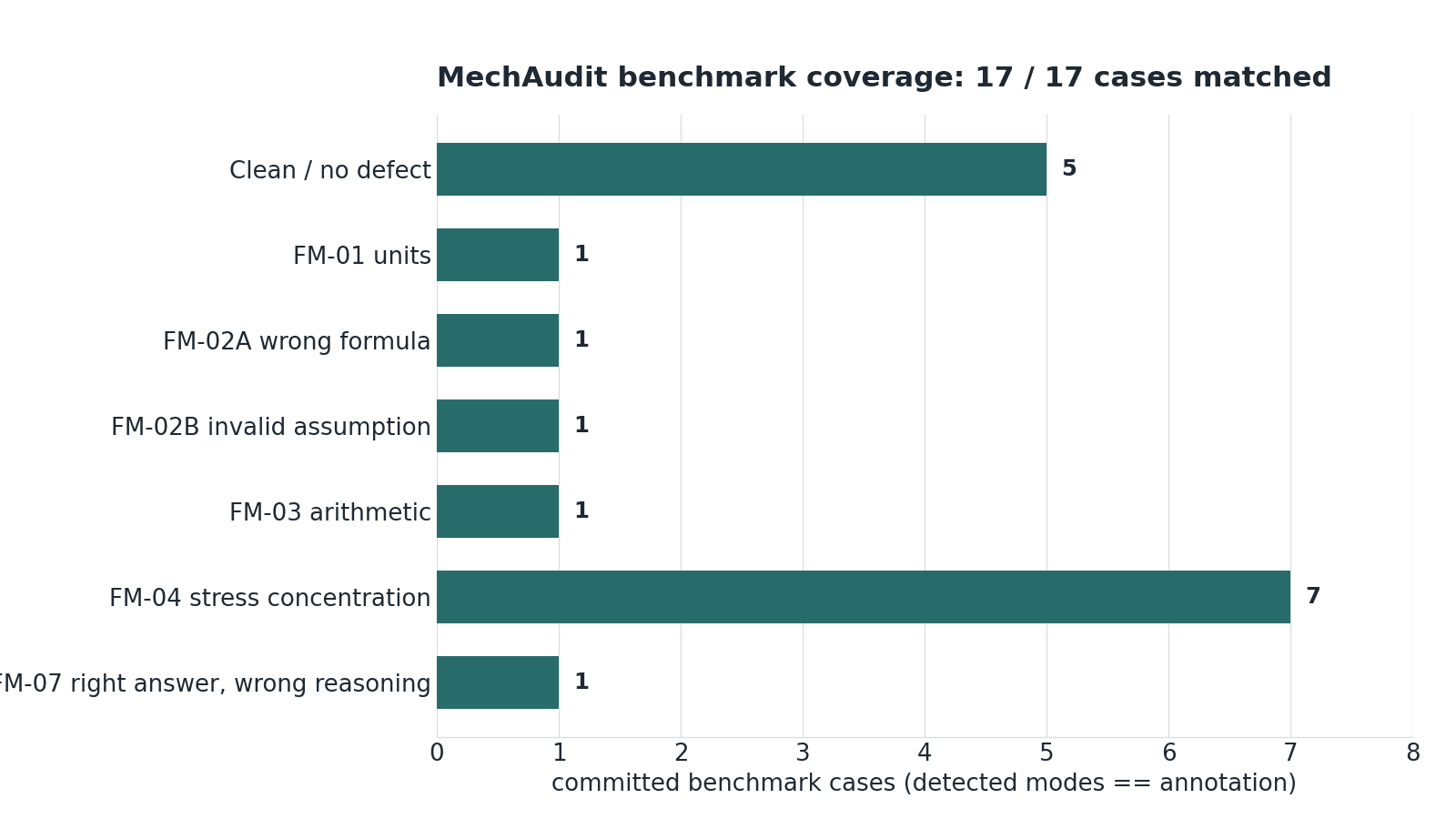
A domain-bounded verifier that independently recomputes mechanics and compares detected failure modes against annotated LLM calculation captures.
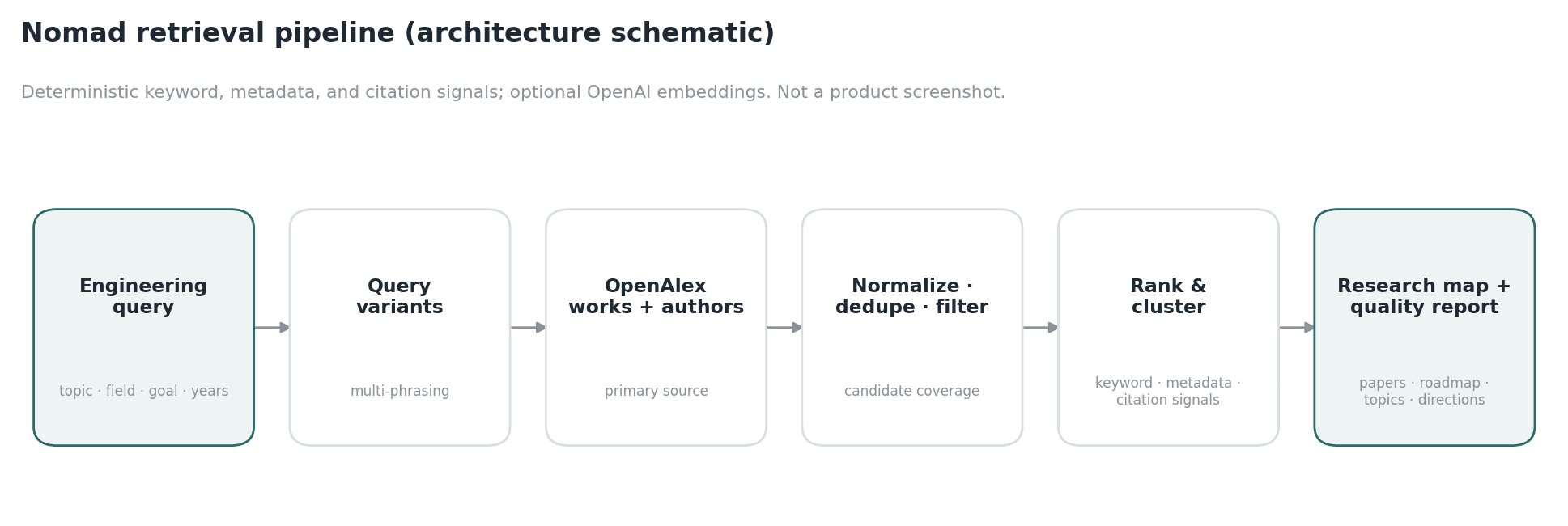
A research-mapping web app with multi-query retrieval, deterministic ranking, and an 88-test suite; a keyed relevance evaluation remains the open measurement.